
Unlocking the Secrets of Well-Designed Rooms: Creating Spaces That Inspire
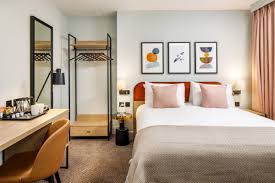
The Importance of Well-Designed Rooms
Rooms are more than just four walls and a ceiling; they are the spaces where we live, work, relax, and create memories. The design and layout of a room can significantly impact our mood, productivity, and overall well-being. Whether it’s a cozy bedroom, a functional office space, or an inviting living room, the way a room is designed plays a crucial role in how we experience and interact with our environment.
Creativity and Inspiration
A well-designed room has the power to inspire creativity and innovation. Thoughtfully chosen colors, furniture arrangements, lighting fixtures, and decor can stimulate our senses and spark new ideas. Whether you’re an artist looking for inspiration or a professional seeking motivation, the design of your surroundings can make a world of difference in your creative process.
Comfort and Relaxation
Comfort is key when it comes to designing rooms where we unwind and recharge. From plush sofas to cozy rugs, comfortable furniture choices can transform a room into a sanctuary where relaxation comes naturally. Creating a space that promotes relaxation not only improves our physical well-being but also enhances our mental health by providing a peaceful retreat from the demands of daily life.
Functionality and Efficiency
Rooms that are well-designed are not only visually appealing but also highly functional. Smart storage solutions, ergonomic furniture designs, and efficient layouts contribute to the overall efficiency of a room. Whether it’s maximizing space in a small apartment or creating an organized workspace in your home office, thoughtful design choices can optimize the functionality of any room.
Personalization and Expression
Your rooms are an extension of your personality and style. Personalizing your living spaces with meaningful decor items, cherished mementos, and unique touches allows you to express yourself creatively and showcase your individuality. Designing rooms that reflect who you are creates a sense of belonging and comfort in your surroundings.
Conclusion
In conclusion, rooms play a significant role in shaping our experiences and influencing our emotions. By paying attention to the design elements that make up our living spaces, we can create rooms that inspire creativity, promote relaxation, enhance functionality, and reflect our personal style. Well-designed rooms have the power to transform ordinary spaces into extraordinary sanctuaries where we can truly be ourselves.
Top 8 Room Design FAQs: Tips for Style, Space, and Savings
- 1. How can I make a small room look bigger?
- 2. What are the latest trends in room decor?
- 3. How do I choose the right color scheme for my room?
- 4. What furniture pieces are essential for a bedroom/living room/dining room?
- 5. How can I maximize storage space in a small room?
- 6. What lighting options work best for different types of rooms?
- 7. How do I create a cohesive design theme throughout my home’s rooms?
- 8. What are some budget-friendly ways to update the look of a room?
1. How can I make a small room look bigger?
To make a small room look bigger, there are several design tricks that can create the illusion of more space. One effective strategy is to use light colors on the walls and ceiling to reflect natural light and make the room feel more open and airy. Additionally, incorporating mirrors can help bounce light around the room and give the impression of depth. Choosing furniture that is proportional to the size of the room and has legs to create visual space underneath can also make the room appear larger. Lastly, keeping the space clutter-free and utilizing smart storage solutions can help maintain a sense of openness in a small room. By implementing these design techniques, you can maximize the perceived size of a small room and create a more spacious environment.
2. What are the latest trends in room decor?
The latest trends in room decor encompass a variety of styles and elements that cater to different tastes and preferences. From minimalist design concepts emphasizing simplicity and clean lines to maximalist approaches embracing bold colors and patterns, there is a trend for every aesthetic. Natural materials such as wood and stone are gaining popularity, adding warmth and texture to rooms. Sustainable and eco-friendly decor choices are also on the rise, with an emphasis on repurposed furniture and organic textiles. Mixing vintage pieces with modern accents, incorporating statement lighting fixtures, and integrating indoor plants for a touch of greenery are all key trends in room decor that can help create stylish and inviting spaces.
3. How do I choose the right color scheme for my room?
When it comes to choosing the right color scheme for your room, consider the mood and atmosphere you want to create. Start by identifying your personal preferences and the overall feel you wish to achieve in the space. Warm colors like reds, oranges, and yellows can evoke energy and coziness, while cool tones such as blues and greens promote calmness and relaxation. Neutral colors like whites, grays, and beiges provide a versatile backdrop that can complement any style. Additionally, take into account natural light sources in the room and how different colors may be affected by varying lighting conditions throughout the day. Experiment with paint samples or fabric swatches to see how different colors interact in your space before making a final decision on your room’s color palette.
4. What furniture pieces are essential for a bedroom/living room/dining room?
When it comes to furnishing a bedroom, living room, or dining room, certain furniture pieces are essential to create functional and inviting spaces. In a bedroom, a comfortable bed is the focal point, accompanied by bedside tables for convenience. A dresser or wardrobe provides storage for clothing and personal items. In a living room, a sofa or sectional serves as the centerpiece, complemented by coffee tables and accent chairs for seating and style. For a dining room, a dining table with chairs is crucial for meals and gatherings, while a buffet or sideboard adds storage and decor. These essential furniture pieces not only fulfill practical needs but also contribute to the overall aesthetic and comfort of each room.
5. How can I maximize storage space in a small room?
Maximizing storage space in a small room can be a smart and practical solution to keep the area organized and clutter-free. Utilizing vertical space with tall shelves or wall-mounted storage units can help make the most of limited floor space. Opting for multi-functional furniture pieces like beds with built-in drawers or ottomans that double as storage containers can also maximize storage capacity while serving dual purposes. Additionally, using organizers such as baskets, bins, and under-bed storage containers can help keep items neatly arranged and easily accessible, making efficient use of every available inch in a small room.
6. What lighting options work best for different types of rooms?
When considering lighting options for different types of rooms, it is essential to match the lighting to the room’s functionality and ambiance. In a kitchen or workspace, bright and task-oriented lighting such as overhead fixtures or under-cabinet lights are ideal for enhancing visibility and productivity. For living rooms or bedrooms, a combination of ambient lighting, such as ceiling lights or wall sconces, along with accent lighting like table lamps or floor lamps can create a cozy and inviting atmosphere. Additionally, dimmable options offer flexibility in adjusting light levels based on the time of day or desired mood. Understanding the specific needs of each room will help in selecting the best lighting options to enhance both functionality and aesthetics.
7. How do I create a cohesive design theme throughout my home’s rooms?
Creating a cohesive design theme throughout all the rooms in your home requires careful planning and attention to detail. Start by choosing a consistent color palette that flows seamlessly from one room to another. Incorporate elements such as furniture style, textures, patterns, and decorative accents that complement each other and tie the spaces together. Consider using a unifying element, like a specific material or motif, to create visual continuity. Additionally, maintaining a balance between individuality and consistency in each room will help you achieve a harmonious design theme that reflects your personal style while ensuring a cohesive look throughout your home.
8. What are some budget-friendly ways to update the look of a room?
When looking to refresh the look of a room on a budget, there are several cost-effective strategies you can consider. One approach is to simply rearrange the furniture layout to create a new dynamic in the space. Adding a fresh coat of paint or opting for removable wallpaper can instantly transform the walls without breaking the bank. Incorporating throw pillows, rugs, and curtains in vibrant colors or patterns can inject personality and style into the room. Upcycling old furniture with a coat of paint or new hardware can breathe new life into tired pieces. Finally, strategically placed mirrors and lighting fixtures can enhance the ambiance and make the room feel brighter and more spacious without a hefty price tag.