
Crafting Exquisite Cocktails: Mastering the Art of the Bar Gin Mix
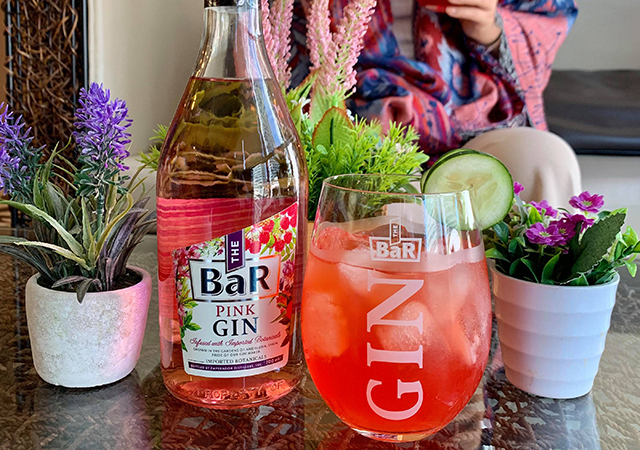
The Art of Mixing Gin: Elevate Your Bar Experience
Gin, with its distinct botanical flavors and versatility, has become a favorite spirit for mixologists and cocktail enthusiasts alike. The art of mixing gin involves creating delightful concoctions that highlight the spirit’s unique characteristics while complementing them with other ingredients. Whether you prefer a classic G&T or enjoy exploring creative cocktails, mastering the art of mixing gin can truly elevate your bar experience.
Understanding Gin
Gin is a spirit that derives its predominant flavor from juniper berries but can also include a variety of botanicals such as coriander, citrus peel, or spices. This diverse botanical profile gives gin its complex and aromatic taste, making it an ideal base for a wide range of cocktails.
Classic Gin Cocktails
One of the most iconic gin cocktails is the Gin and Tonic (G&T), which combines gin with tonic water and a squeeze of lime. This refreshing drink highlights the crispness of the gin while adding a touch of citrusy brightness. Other classic gin cocktails include the Martini, Negroni, and Tom Collins, each showcasing gin in a different light.
Exploring Creative Mixes
For those looking to expand their horizons, experimenting with creative gin mixes can be both fun and rewarding. Try incorporating fresh herbs like basil or rosemary, fruit juices such as grapefruit or cranberry, or unique syrups like lavender or ginger to create innovative cocktails that push the boundaries of traditional mixology.
Elevating Your Bar Experience
By honing your skills in mixing gin-based drinks, you can transform your home bar into a sophisticated cocktail lounge where you can impress guests with your creations. Investing in quality ingredients, tools like shakers and strainers, and learning proper techniques for mixing and garnishing will enhance your bartending prowess and ensure memorable drinking experiences.
Conclusion
The art of mixing gin offers endless possibilities for crafting delicious drinks that cater to every palate. Whether you prefer classic cocktails or enjoy experimenting with new flavors, mastering the art of mixing gin will undoubtedly elevate your bar experience and make every sip a delightful journey through the world of spirits.
8 Tips for Crafting the Perfect Gin Mix: Elevate Your Cocktail Experience
- Choose a high-quality gin for better flavor.
- Experiment with different tonic water brands to find your favorite combination.
- Garnish your gin and tonic with fresh herbs or citrus slices for added aroma and taste.
- Consider using flavored gin for a unique twist on the classic drink.
- Try adding a splash of fruit juice or bitters to enhance the complexity of your gin mix.
- Serve your gin and tonic in a chilled glass for a refreshing experience.
- Don’t forget to measure your ingredients accurately to achieve the perfect balance of flavors.
- Enjoy responsibly and savor each sip of your carefully crafted gin mix.
Choose a high-quality gin for better flavor.
When it comes to mastering the art of mixing gin, one crucial tip stands out: choose a high-quality gin for better flavor. The quality of the gin you select can significantly impact the overall taste and complexity of your cocktails. Opting for a premium gin with carefully selected botanicals and a well-balanced profile can elevate your drink to new heights, ensuring a more enjoyable and sophisticated drinking experience. By investing in a top-notch gin, you set the foundation for creating exceptional cocktails that highlight the spirit’s nuances and enhance your bar mixing skills.
Experiment with different tonic water brands to find your favorite combination.
To enhance your bar gin mix experience, consider experimenting with various tonic water brands to discover the perfect combination that complements your favorite gin. Different tonic water brands offer unique flavor profiles and levels of carbonation, which can significantly influence the overall taste of your cocktail. By sampling a range of tonic waters, you can tailor your drink to suit your preferences, whether you prefer a crisp and refreshing G&T or a more complex and aromatic concoction. Embrace the art of mixology by exploring different tonic water options to elevate your gin cocktails to new heights.
Garnish your gin and tonic with fresh herbs or citrus slices for added aroma and taste.
Enhance your gin and tonic experience by garnishing it with fresh herbs or citrus slices. Adding a sprig of rosemary, a wedge of lime, or a twist of grapefruit not only elevates the visual appeal of your drink but also infuses it with additional aroma and flavor notes. The aromatic oils released from the herbs and citrus upon garnishing complement the botanical complexity of the gin, creating a sensory delight with each sip. Experimenting with different garnishes allows you to customize your gin and tonic to suit your taste preferences, making every pour a refreshing and aromatic treat for the senses.
Consider using flavored gin for a unique twist on the classic drink.
When exploring the art of mixing gin, one tip to consider is using flavored gin to add a unique twist to the classic drink. Flavored gins infused with botanicals, fruits, or spices can bring a whole new dimension of taste and aroma to your cocktails. Whether opting for a floral lavender-infused gin or a zesty citrus-flavored variety, experimenting with different flavored gins can elevate your drink creations and provide a refreshing and unexpected twist to traditional recipes.
Try adding a splash of fruit juice or bitters to enhance the complexity of your gin mix.
To enhance the complexity of your gin mix, consider adding a splash of fruit juice or bitters. The addition of fruit juice can introduce a layer of sweetness and acidity that complements the botanical notes of the gin, creating a well-balanced and flavorful cocktail. On the other hand, incorporating bitters can add depth and complexity to the drink, enhancing its overall profile with nuanced flavors and aromas. Experimenting with these ingredients can elevate your gin mix to new heights, offering a unique and satisfying drinking experience.
Serve your gin and tonic in a chilled glass for a refreshing experience.
To enhance your gin and tonic experience, consider serving it in a chilled glass. The cold temperature of the glass not only keeps your drink crisp and refreshing but also helps maintain the integrity of the flavors in the gin. By taking this simple step, you can elevate the overall enjoyment of your cocktail and ensure a more satisfying sip with each taste.
Don’t forget to measure your ingredients accurately to achieve the perfect balance of flavors.
To achieve the perfect balance of flavors in your gin mix, it is crucial not to overlook the importance of measuring your ingredients accurately. Whether crafting a classic Gin and Tonic or experimenting with creative cocktails, precise measurements ensure that each component harmonizes seamlessly, resulting in a well-rounded and satisfying drink. By paying attention to the ratios of gin, mixers, and garnishes, you can elevate your bartending skills and create cocktails that tantalize the taste buds with precision and finesse.
Enjoy responsibly and savor each sip of your carefully crafted gin mix.
When indulging in the art of mixing gin, it is crucial to remember the importance of enjoying responsibly. Take the time to savor each sip of your meticulously crafted gin mix, appreciating the flavors and aromas that make it unique. By practicing moderation and mindfulness while relishing your drink, you can fully immerse yourself in the experience and ensure a pleasurable and safe enjoyment of your cocktail creation.