
Apparel Essentials: A Guide to Style, Comfort, and Everyday Wear
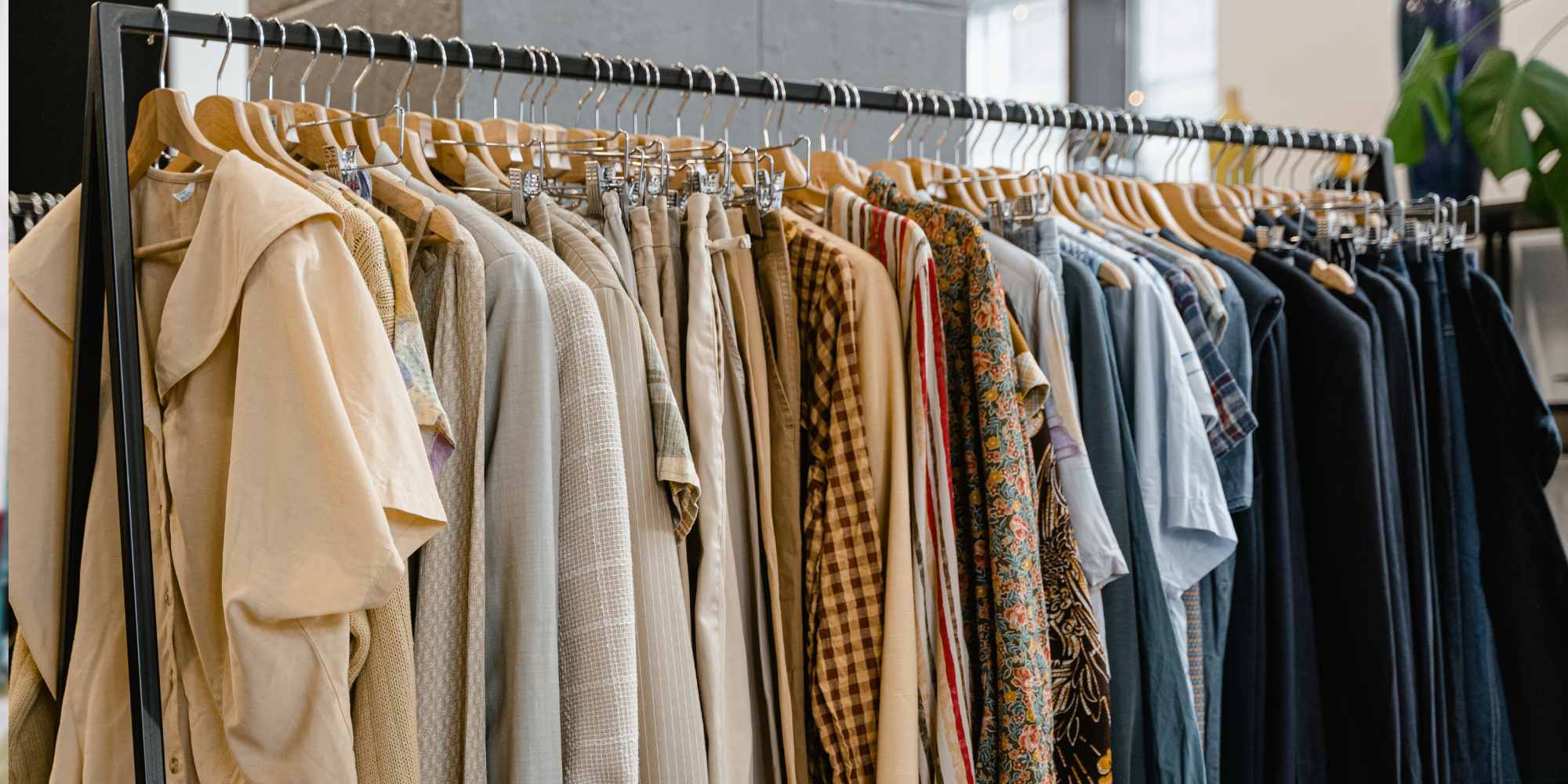
Apparel: More Than Just What We Wear
Apparel is the clothing and accessories people choose for everyday life, work, exercise, special occasions, and everything in between. It helps protect us from the elements, supports comfort and movement, and gives us a way to express personal style. From a simple T-shirt to a carefully tailored suit, what we wear can reflect our needs, preferences, and sense of identity.
Choosing Apparel for Everyday Life
The best clothing choices often begin with the occasion. Workwear may need to meet a dress code, while casual apparel is usually selected for comfort and versatility. Athletic clothing is designed to support movement and manage moisture, and formalwear is made for events that call for a more polished look. Considering where and how an item will be worn can make shopping more practical.
Fit and comfort matter, too. A garment should allow the wearer to move easily and feel comfortable throughout the day. Since sizing can vary between brands and styles, checking measurements and reviewing a size chart can be more helpful than relying on a label alone. Fabric, cut, and construction also affect how an item fits and feels.
Understanding Fabrics and Care
Apparel is made from a wide range of materials, including cotton, linen, wool, silk, polyester, and blends. Each has different qualities. Cotton is often valued for its softness and breathability, while wool can provide warmth. Linen is known for its lightweight feel, and synthetic fibers may offer durability or stretch. The right choice depends on the climate, activity, and personal preference.
Care instructions can help clothing last longer. Washing garments at the recommended temperature, separating colors when needed, and following guidance for drying or ironing can reduce wear. Some items benefit from air-drying or gentle washing, while others may require professional care. Reading the garment label before cleaning is a simple way to avoid damage.
Style, Function, and Personal Expression
Apparel can be practical and expressive at the same time. Color, shape, pattern, and texture all influence the way an outfit looks. Some people prefer timeless basics that can be combined in many ways; others enjoy experimenting with seasonal trends or distinctive statement pieces. There is no single right approach—personal style is shaped by comfort, lifestyle, culture, and individual taste.
A versatile wardrobe can make getting dressed easier. Well-fitting essentials, such as shirts, pants, outerwear, and comfortable shoes, can serve as a foundation for many outfits. Accessories like belts, scarves, bags, and jewelry can add variety without requiring a complete change of wardrobe.
Shopping with Care
Thoughtful apparel shopping involves more than choosing a look. It can help to consider durability, cost per wear, ease of care, and whether an item works with clothing already owned. Checking seams, closures, fabric feel, and overall construction may also help shoppers assess quality. Buying fewer items that suit real needs can be a practical alternative to impulse purchases.
Some shoppers also consider how clothing is made and what happens to it after use. Repairing a loose button, mending a small tear, donating wearable items, or recycling textiles where local programs allow can extend the life of apparel and reduce waste.
Finding What Works for You
Apparel serves many purposes: it offers protection, supports daily activities, and helps people present themselves to the world. The most useful wardrobe is not necessarily the largest or most fashionable. It is one that fits well, suits its owner’s lifestyle, and provides comfort and confidence across different occasions.
8 Simple Tips for Choosing and Caring for Your Clothes
- Choose clothes that fit comfortably.
- Check care labels before washing.
- Wash dark colors separately.
- Use a lint roller on fuzzy fabrics.
- Hang clothes to reduce wrinkles.
- Store knitwear folded to prevent stretching.
- Repair loose buttons promptly.
- Pick breathable fabrics for warm weather.
Choose clothes that fit comfortably.
Choose clothes that fit comfortably so you can move freely and feel at ease throughout the day. Clothing that is too tight may restrict movement, while pieces that are too loose may feel cumbersome or need constant adjusting. Since sizes can vary by brand, check the size chart and try items on when possible. A comfortable fit should suit both your body and the activities you have planned.
Check care labels before washing.
Check care labels before washing to help keep your apparel looking its best. Labels provide guidance on water temperature, wash cycles, drying, and ironing, and following those instructions can help prevent shrinking, fading, or damage to delicate fabrics. When in doubt, use a gentle cycle and avoid high heat.
Wash dark colors separately.
Wash dark-colored apparel separately from light and white items to help prevent dye from transferring in the wash. For extra protection, turn dark garments inside out, use cold water, and follow the care labels—especially when washing new clothes, which may release more dye.
Use a lint roller on fuzzy fabrics.
Use a lint roller on fuzzy fabrics to quickly lift lint, pet hair, and loose fibers without damaging the material. Roll gently in one direction, especially on delicate knits, and replace the adhesive sheet when it stops picking up debris.
Hang clothes to reduce wrinkles.
Hang clothes as soon as possible after washing or wearing them to help reduce wrinkles and keep them looking neat. Use sturdy hangers that suit each garment, and fasten buttons or zippers so items hold their shape. For stubborn creases, gently smooth the fabric by hand while hanging, or use a steamy bathroom or garment steamer for extra help.
Store knitwear folded to prevent stretching.
Store knitwear folded rather than hanging it in a closet. The weight of sweaters and other knitted garments can pull them out of shape on a hanger, stretching the shoulders and neckline over time. Fold each piece neatly and place it on a shelf or in a drawer to help it keep its shape.
Repair loose buttons promptly.
Repairing loose buttons as soon as you notice them can prevent them from falling off and getting lost. A quick stitch with matching thread helps keep a garment secure, wearable, and looking its best. For a stronger repair, sew through the fabric several times and tie off the thread neatly on the inside.
Pick breathable fabrics for warm weather.
When temperatures rise, choose apparel made from breathable fabrics to stay cooler and more comfortable. Lightweight materials such as cotton and linen allow air to circulate and can help moisture evaporate, making them practical choices for warm, sunny days. Look for relaxed fits and light colors for extra comfort, and check care labels to keep your favorite pieces in good shape.