
Mastering the Art of Menu Design: Crafting Culinary Experiences
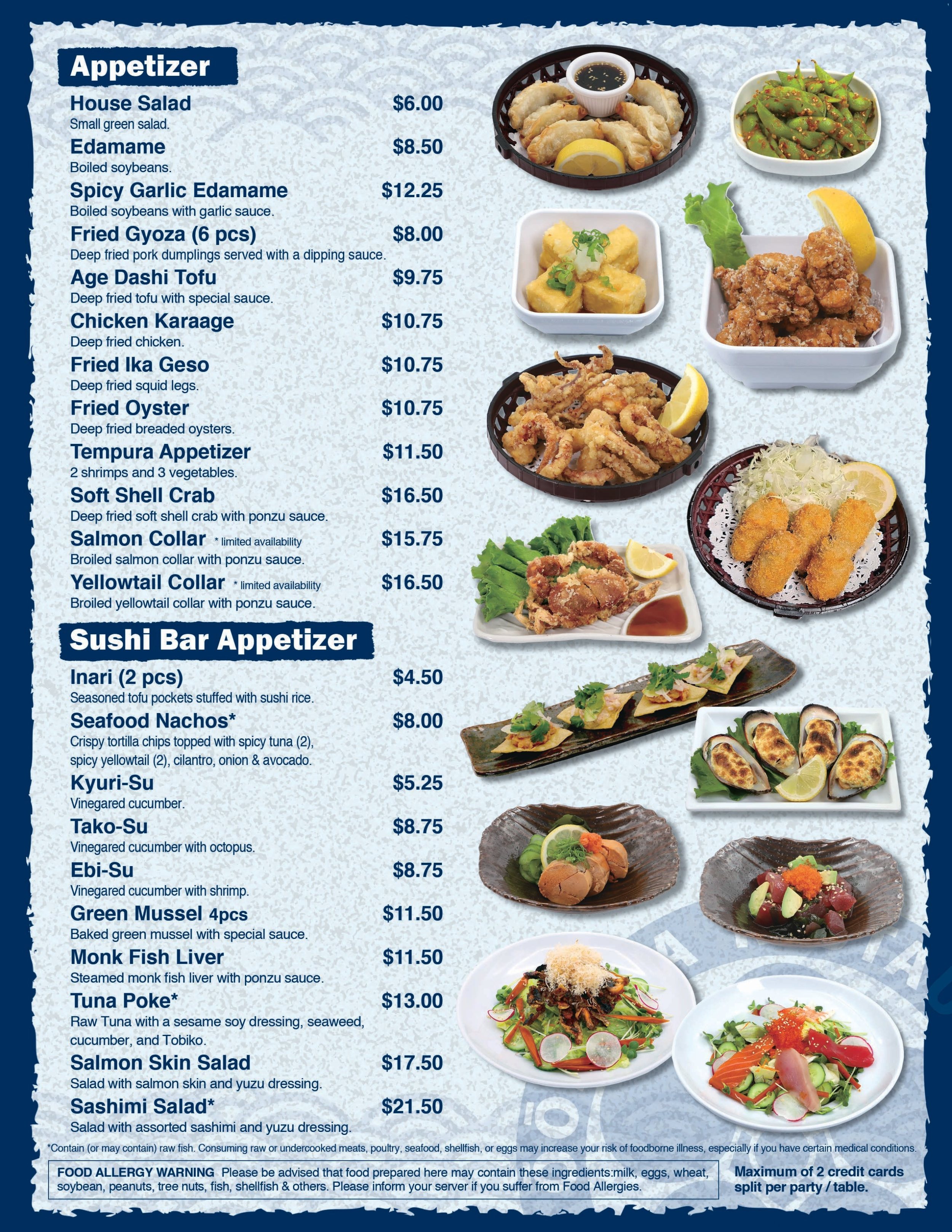
The Intricacies of Menu Design: A Culinary Journey
Menus are more than just lists of dishes; they are culinary roadmaps that guide diners through a gastronomic adventure. From the layout to the descriptions, every element plays a crucial role in shaping the dining experience.
The Visual Feast
Visual appeal is the first impression a menu makes on a diner. The choice of font, colors, and imagery sets the tone for the meal to come. A well-designed menu can evoke emotions, spark curiosity, and even influence ordering decisions.
Crafting Descriptions
Menu descriptions are like storytelling – they should entice, inform, and excite. Succinct yet descriptive language can make dishes come alive in the reader’s mind, creating anticipation and enhancing the overall dining experience.
Organizing Choices
The structure of a menu can greatly impact how diners navigate their options. Grouping items logically, using clear headings, and providing helpful categorizations can help streamline decision-making and ensure a seamless ordering process.
Seasonal Selections
Many restaurants embrace seasonal menus to showcase fresh ingredients and align with changing culinary trends. By rotating offerings based on what’s in season, chefs can create dynamic menus that reflect nature’s bounty and keep diners coming back for more.
The Menu as Experience
Ultimately, a menu is not just a list of dishes – it is an integral part of the dining experience. Thoughtfully designed menus can elevate a meal from mere sustenance to a memorable culinary journey that delights all the senses.
7 Key Benefits of a Well-Crafted Menu for Diners and Restaurants
- Provides a variety of dining options to cater to different tastes and preferences.
- Helps diners make informed choices by offering detailed descriptions of dishes.
- Showcases seasonal ingredients and specialties, keeping the menu fresh and exciting.
- Allows for easy customization or modifications to accommodate dietary restrictions or preferences.
- Sets the tone for the dining experience through visual design and layout.
- Helps restaurants manage inventory and pricing effectively based on demand and popularity.
- Serves as a marketing tool, enticing customers with enticing descriptions and appealing visuals.
Navigating Menu Challenges: Complexity, Clarity, and Choice Limitations
- Overly complex menus can overwhelm diners and lead to decision fatigue.
- Poorly designed menus with unclear descriptions may result in ordering mistakes or dissatisfaction.
- Limited menu options can restrict choices for diners with dietary restrictions or preferences.
Provides a variety of dining options to cater to different tastes and preferences.
Menus offer a valuable pro by providing a diverse array of dining options to cater to various tastes and preferences. Whether someone prefers savory dishes, vegetarian fare, or indulgent desserts, menus allow diners to choose from a range of offerings that align with their individual preferences. This flexibility ensures that everyone can find something to enjoy, making dining experiences inclusive and accommodating for all.
Helps diners make informed choices by offering detailed descriptions of dishes.
Menus play a crucial role in helping diners make informed choices by providing detailed descriptions of dishes. By offering insights into the ingredients, preparation methods, and flavor profiles of each item, menus empower diners to select dishes that align with their preferences and dietary restrictions. These detailed descriptions not only enhance the dining experience by setting clear expectations but also allow diners to explore new flavors and culinary experiences with confidence.
Showcases seasonal ingredients and specialties, keeping the menu fresh and exciting.
One of the key advantages of showcasing seasonal ingredients and specialties on a menu is the ability to keep the dining experience fresh and exciting. By featuring ingredients that are in season, restaurants can offer dishes that are at their peak in terms of flavor and quality. This not only ensures a heightened culinary experience for diners but also demonstrates a commitment to using fresh, locally sourced produce. Additionally, rotating seasonal items keeps the menu dynamic and encourages repeat visits as patrons look forward to trying new offerings each time they dine.
Allows for easy customization or modifications to accommodate dietary restrictions or preferences.
Menus offer a valuable advantage by allowing easy customization or modifications to accommodate various dietary restrictions or preferences. Whether someone is a vegetarian, vegan, gluten-free, or has specific food allergies, a well-designed menu provides the flexibility to tailor dishes to meet individual needs. This pro not only enhances the dining experience for customers with specific dietary requirements but also demonstrates a restaurant’s commitment to inclusivity and customer satisfaction.
Sets the tone for the dining experience through visual design and layout.
The visual design and layout of a menu play a crucial role in setting the tone for the dining experience. From elegant fonts to enticing images, every element contributes to creating an atmosphere that resonates with diners even before they take their first bite. A well-crafted menu can convey the restaurant’s style, personality, and attention to detail, building anticipation and enhancing the overall dining ambiance. By carefully considering visual aesthetics and layout, restaurants can establish a welcoming and cohesive experience that leaves a lasting impression on guests.
Helps restaurants manage inventory and pricing effectively based on demand and popularity.
Menus play a crucial role in assisting restaurants with managing inventory and pricing effectively by analyzing demand and popularity trends. By monitoring which dishes are frequently ordered and adjusting pricing accordingly, restaurants can optimize their inventory levels to minimize waste and ensure they always have the necessary ingredients on hand. This proactive approach not only helps in controlling costs but also allows establishments to cater to customer preferences, leading to increased satisfaction and loyalty.
Serves as a marketing tool, enticing customers with enticing descriptions and appealing visuals.
Menus serve as a powerful marketing tool by enticing customers with captivating descriptions and appealing visuals. Through carefully crafted language and imagery, menus can pique the interest of diners, sparking their curiosity and influencing their ordering decisions. By showcasing dishes in an enticing manner, menus not only inform customers about the offerings but also create a sense of anticipation and excitement, enhancing the overall dining experience. The strategic use of language and visuals on menus can effectively communicate the unique selling points of a restaurant’s cuisine, setting the stage for a memorable and satisfying meal for patrons.
Overly complex menus can overwhelm diners and lead to decision fatigue.
Overly complex menus pose a significant con in the dining industry as they have the potential to overwhelm diners and result in decision fatigue. When faced with a plethora of options, intricate descriptions, and diverse categories, diners may find it challenging to make a choice, leading to frustration and indecision. This can detract from the overall dining experience, as diners may feel pressured or rushed to make a selection, impacting their enjoyment of the meal. Simplifying menus and streamlining choices can help alleviate this issue, allowing diners to focus on savoring their dining experience without feeling overwhelmed by an abundance of options.
Poorly designed menus with unclear descriptions may result in ordering mistakes or dissatisfaction.
Poorly designed menus with unclear descriptions can be a significant drawback for both diners and restaurants. When menu items lack detailed or concise descriptions, customers may struggle to understand what they are ordering, leading to confusion and potential dissatisfaction with their meal choices. This can result in ordering mistakes, as diners may end up with dishes that don’t meet their expectations or dietary requirements. Ultimately, a poorly designed menu can impact the overall dining experience, tarnishing the reputation of the establishment and leaving customers feeling unsatisfied. Clarity and precision in menu design are essential to ensure a smooth and enjoyable dining experience for all patrons.
Limited menu options can restrict choices for diners with dietary restrictions or preferences.
Limited menu options can pose a significant challenge for diners with dietary restrictions or specific preferences. When a menu offers only a narrow selection of dishes, individuals who follow certain diets or have food allergies may find their choices severely restricted. This limitation not only diminishes the dining experience for these customers but also creates a barrier to inclusivity and accommodation. Restaurants that fail to provide diverse menu options risk alienating a portion of their clientele and missing out on the opportunity to cater to a wider range of tastes and needs.